
Nutritious, Fresh
Orlando Dog Food
Handmade With L♥ve

And we'll bring it
right to your door!
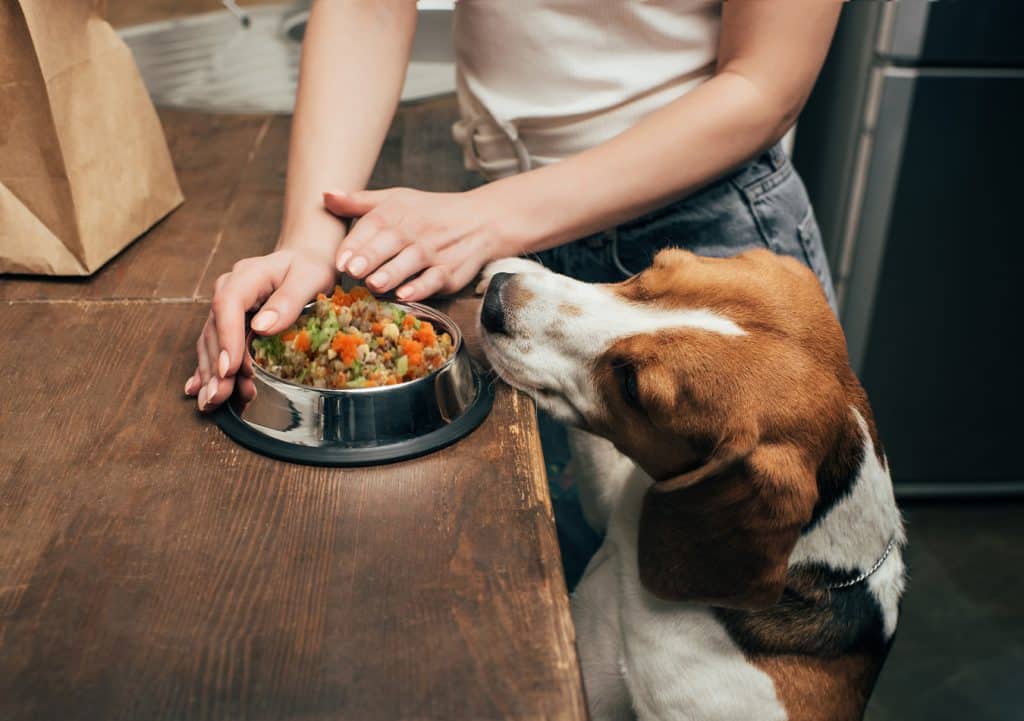

See How Our Dog Food Is Crafted
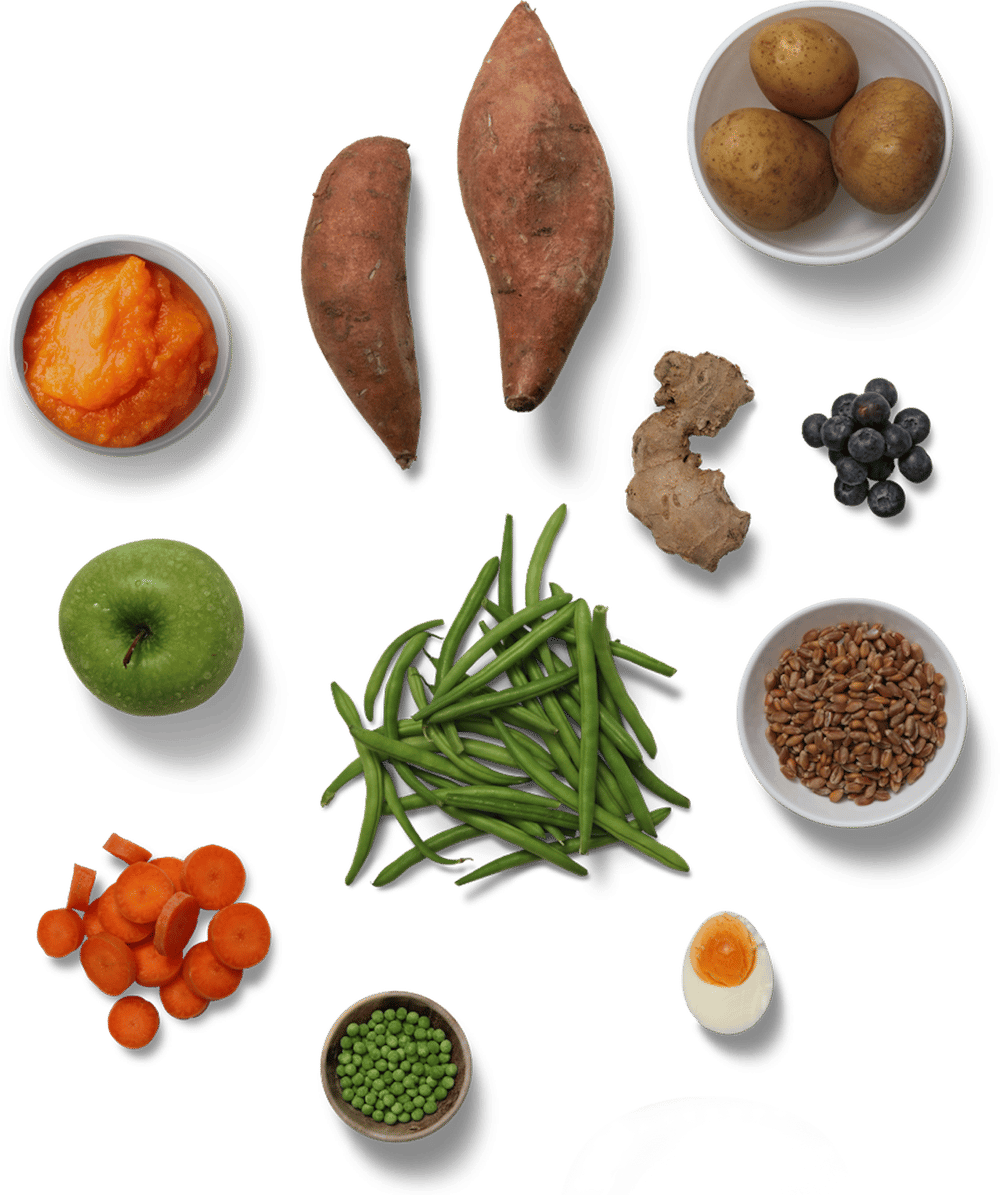
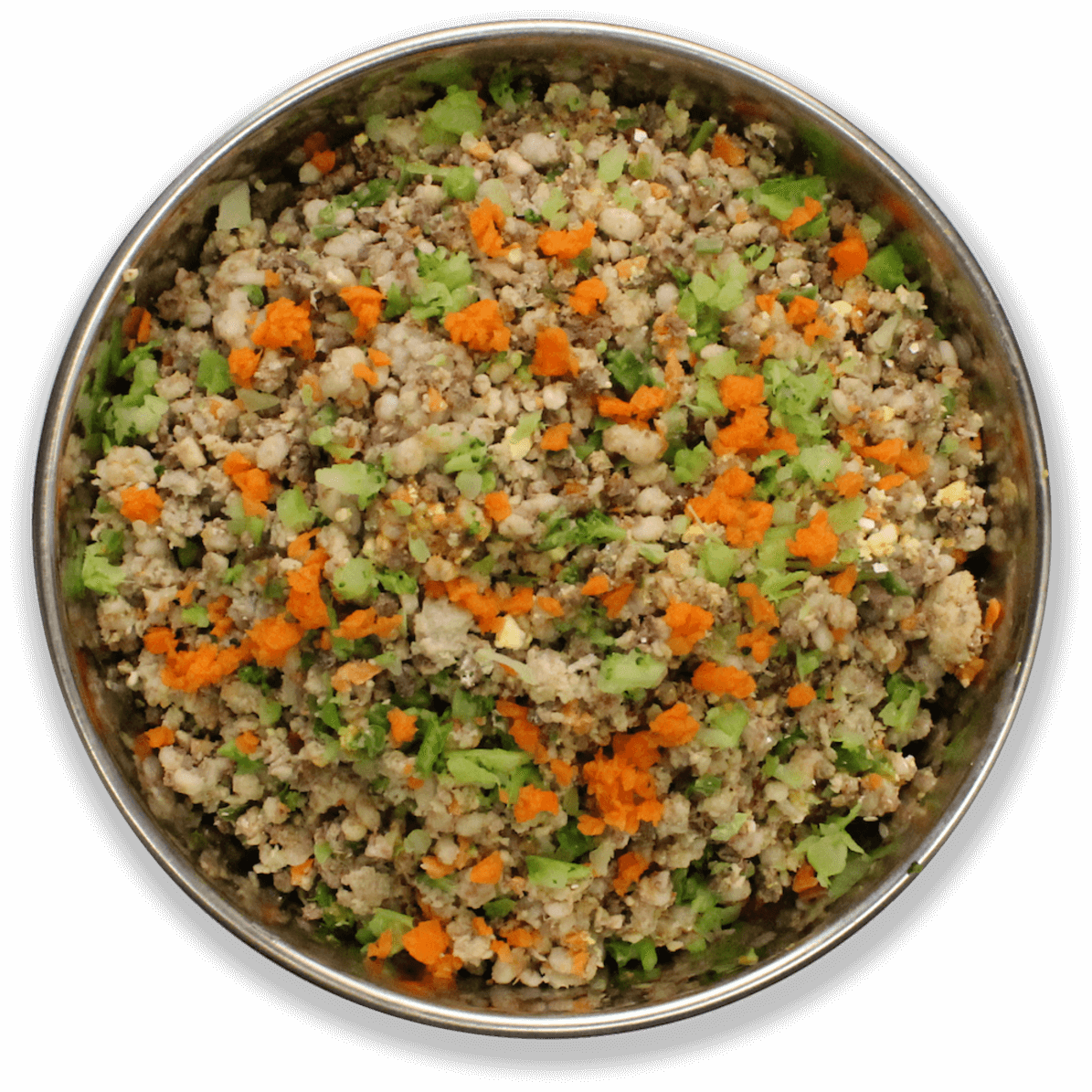
Locally Made, Gently Cooked, USDA Inspected Food That Your Dog Will Love
- Real, wholesome pet food
- Proprietary recipes, formulated just for your dog
- Custom diet consultations
- No artificial preservatives, colors, or flavors
- USDA-inspected meats and vegetables
- Locally made Orlando dog food
- Quick frozen to -10° to lock in freshness
- Therapeutic meal offerings for specific health needs
USDA-Inspected
We only use foods that are USDA-inspected and approved for human consumption in our dog food. The difference in quality between human-grade foods and pet foods is astonishing. If you knew what was in supermarket pet food, you wouldn’t feed it to your dog!
Healthy
Whole food, species-appropriate diets, balanced by nature. We use real food as part of a wholesome, nutritious diet for your dog. All of our dog foods contain at least 50% USDA-inspected proteins and are hand-mixed in our Orlando dog food deli.
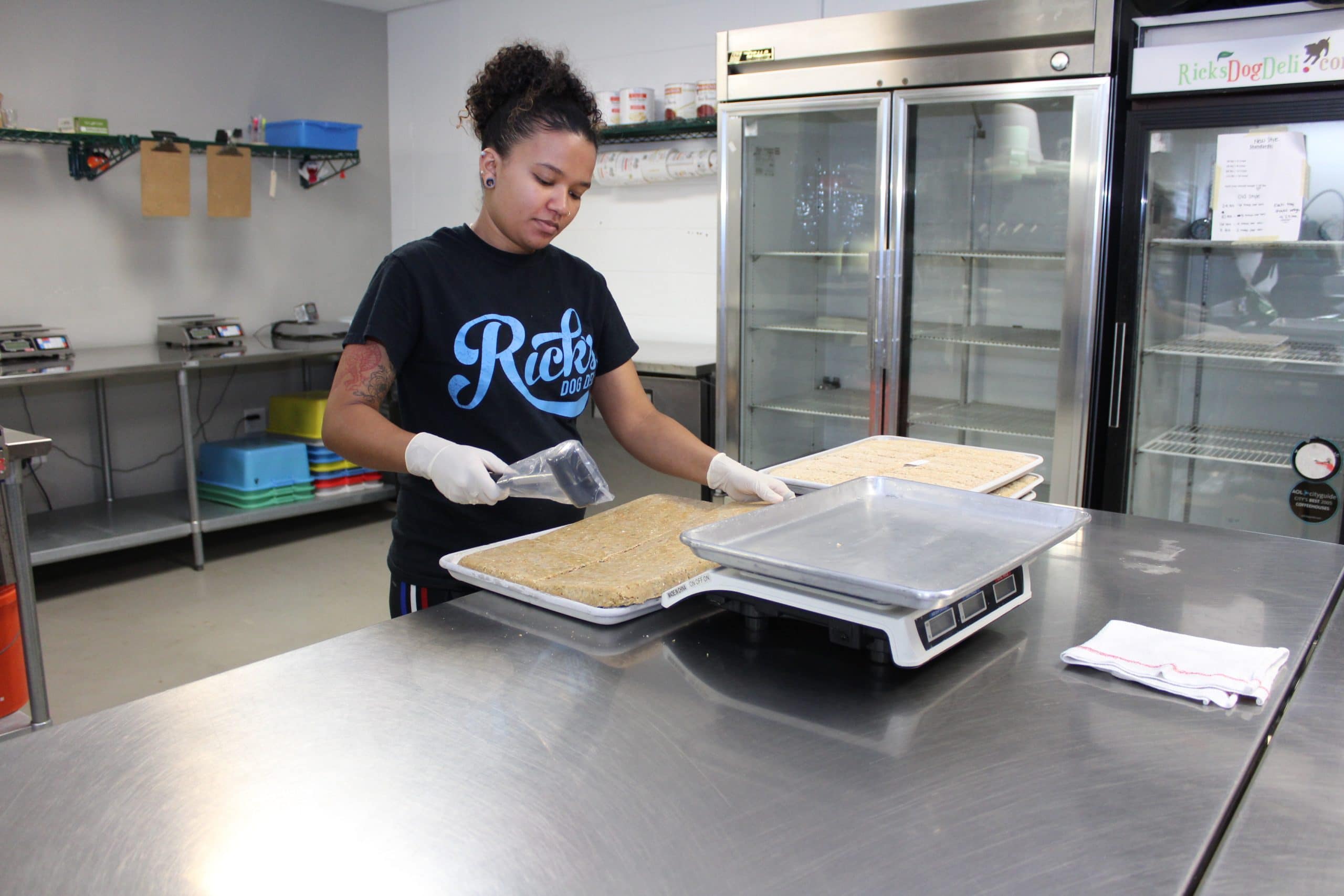
Locally Made
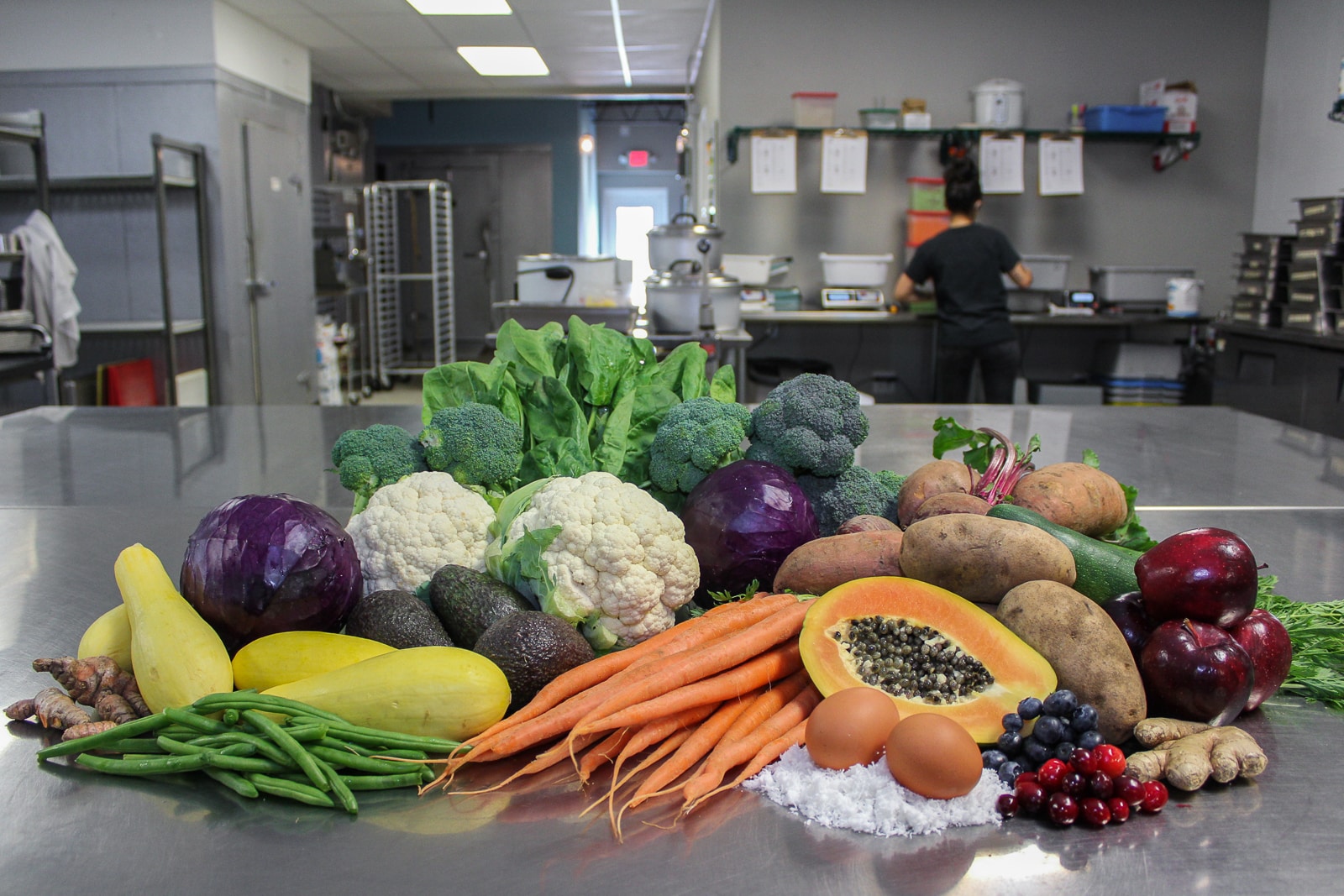
We prepare our pet food to HAACP standards in our open kitchen, quick freeze it to lock in freshness, and deliver it to your door. Want to see how our dog food is prepared? Stop by the Deli!
Delivery
Feeding your dog nutritious, wholesome meals shouldn’t be a hassle. And when we say that Rick’s Dog Deli delivers, we mean it…literally! If you live within 20 miles of our College Park location, we’ll deliver our Orlando dog food right to your door.
Our Top-Selling Orlando Dog Food
-
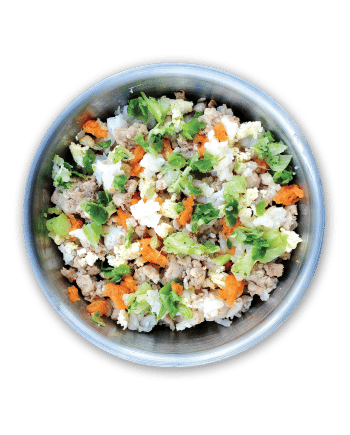
Midwestern Chicken Dog Food
Chicken & Oats$6.04 – $27.42 Select options -
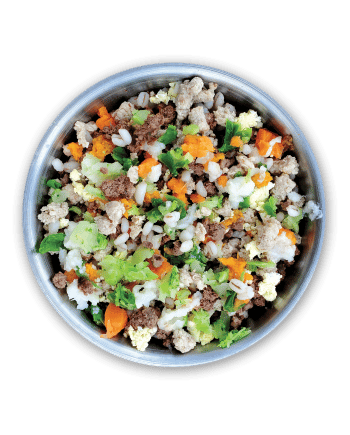
Western Beef Dog Food
Beef & Sweet Potato$8.32 – $37.81 Select options -
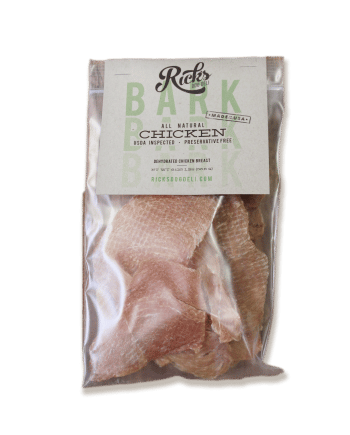
Chicken Bark Dog Treats
$9.05 – $24.60 Select options -
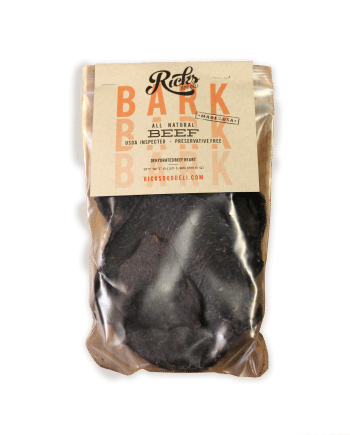
Beef Bark Dog Treats
$9.05 – $24.60 Select options -
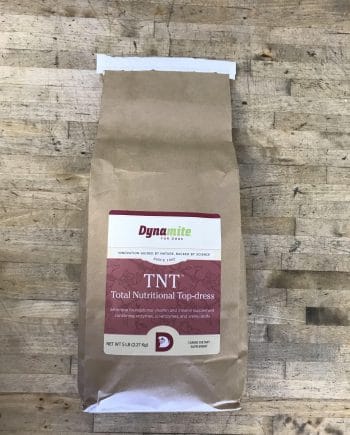
Dynamite Brand TNT Total Nutritional Top-Dress
$13.85 – $69.23 Select options
Wondering how much to feed your dog?
Enter their weight, age, and favorite meal into the calculator or use our feeding chart to determine the perfect portion of dog food.
Enter Your Dog's Weight
Adult or Puppy
Select A Meal Formulation
The Benefits Of Our Dog Food

Fiber
Prevents degenerative disease, improves colon health, and aids diarrhea and constipation.

Vegetables
Alkalizes the body, helps treat/prevent disease, and supplies minerals, vitamins, water, antioxidants, enzymes, anti-inflammatory molecules.

Proteins
Maintains and repairs cells such as skin, hair, muscle, bone and assists with the making of hormones, antibodies, and enzymes.

Carbohydrates
Great source of energy, dietary fiber, B vitamins, and important minerals such as iron, selenium, and magnesium.

Fruits
Aids in digestion, boosts immunity, and contributes to better eyesight and healthier skin and hair.
Best Dog Food Orlando Reviews
We love our dog families and can’t thank them enough for the wonderful, kind words they post on our Google Business Profile, Facebook page, and more. Here are some of our most recent reviews and while we may be biased, it seems like others agree that we make the best dog food Orlando has to offer!
Why We Started
Rick’s Dog Deli
On March 15, 2007, the FDA learned that certain pet foods were sickening and killing cats and dogs. As an owner of two dogs I immediately became concerned. After some research and planning it became apparent optimum animal health is achieved through diet. Simple, whole, and fresh ingredients in pet food will provide excellent health benefits for any animal, especially your best friend.